
Small Stack, Big Energy: How Low Rollers Outlast the Whales
You don't need a $2,000 night to play like you belong. With smart session structure, honest bet-sizing, and the right mindset, a $20 deposit can buy what money usually can't: staying power.
Category
24 articles
You don't need a $2,000 night to play like you belong. With smart session structure, honest bet-sizing, and the right mindset, a $20 deposit can buy what money usually can't: staying power.

Depositing takes three seconds. Withdrawing takes willpower. Here's why the cashout button is the most honest measure of a player, and why so many of us keep swiping past it.

Your brain doesn't see a losing streak as bad luck — it sees a story building toward a resolution. Understanding why your mind craves that comeback narrative is the first step to playing smarter, not just harder.

Most players walk into a session thinking about what they could win. The ones who actually build lasting wealth think about something else entirely — how much they're willing to lose before they walk away. This is the bankroll blueprint that separates the pros from the perpetual chasers.

You found a pattern, built a system, and watched it work — until it didn't. The uncomfortable truth is that most betting systems aren't strategies at all; they're just overconfidence dressed up in math. Here's why the house doesn't sweat your spreadsheet.

You crushed it last night — big wins, hot streaks, the whole deal. So why do you feel weirdly hollow today? The answer lives deep inside your brain's reward system, and understanding it might be the most valuable thing a player ever learns.

Players swear by it — the table that's 'running hot,' the slot that's 'due for a payout,' the streak that feels too real to quit. But neuroscience and cold statistics tell a very different story, and understanding the gap between those two realities might be the most valuable skill any bettor can develop.

Losing doesn't drive most players away — it actually deepens the pull. A closer look at the neurological and behavioral loops behind repeat play reveals why the gap between casual fun and compulsive habit is thinner than anyone wants to admit, and what genuinely shifts when a chronic player finally lands a meaningful win.

Every player knows the feeling — you're down, the next big bet feels like the logical fix, and suddenly your bankroll is half of what it was an hour ago. Loss chasing is one of the most studied and least understood behaviors in gaming psychology, and the gap between players who fall into it and those who don't comes down to more than just willpower.
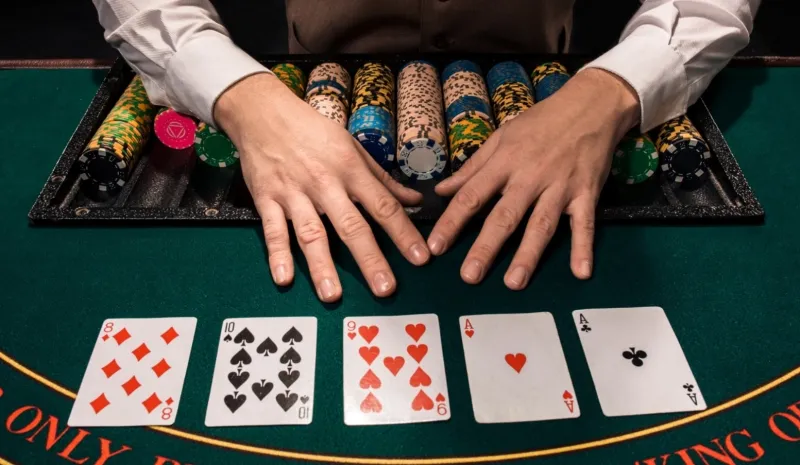
Every seasoned bettor knows the feeling — a run of bad sessions that starts to feel personal. But experienced players have a playbook for exactly this moment, and it has nothing to do with betting bigger to win it back.

Something unusual is happening in American search bars. A specific string of characters — part brand name, part cultural signal, part lucky charm — keeps showing up in gaming searches across the country. We dug into why WinPH777 hits differently than any other platform name out there.

Every button, color, and sound on your favorite gaming platform was put there on purpose — and not necessarily for your benefit. From the spin animations to the perfectly timed push notification, platform design is a science built around keeping you in your seat. Here's what's actually going on beneath the surface.

Winning big on your very first night sounds like a dream — but behavioral researchers say it might be the worst thing that ever happens to your bankroll. The psychology behind early jackpots is darker than most players realize, and understanding it could save you thousands.

Not all hours at the virtual tables are created equal. The time you log in might matter just as much as the games you choose — and Tuesday afternoon could be the most underrated window in online gaming.

Your brain didn't stumble onto 777 by accident — it was trained to love it. Understanding the neuroscience behind number obsession in gaming can actually change the way you bet, and maybe even save your bankroll.

Winning big sounds like the end of all your problems — but for a surprising number of jackpot winners, it's actually the beginning of new ones. A toxic mix of dopamine dependency, poor financial instincts, and the relentless pull of the next big bet sends many winners spiraling back to zero within months. Here's what the research says, and how you can protect yourself if lightning ever strikes.
Weekend gaming sessions feel electric — but the winnings rarely survive to Monday morning. We dig into the behavioral patterns, psychological traps, and social pressures that make Friday-to-Sunday play a completely different beast than any other time of the week.
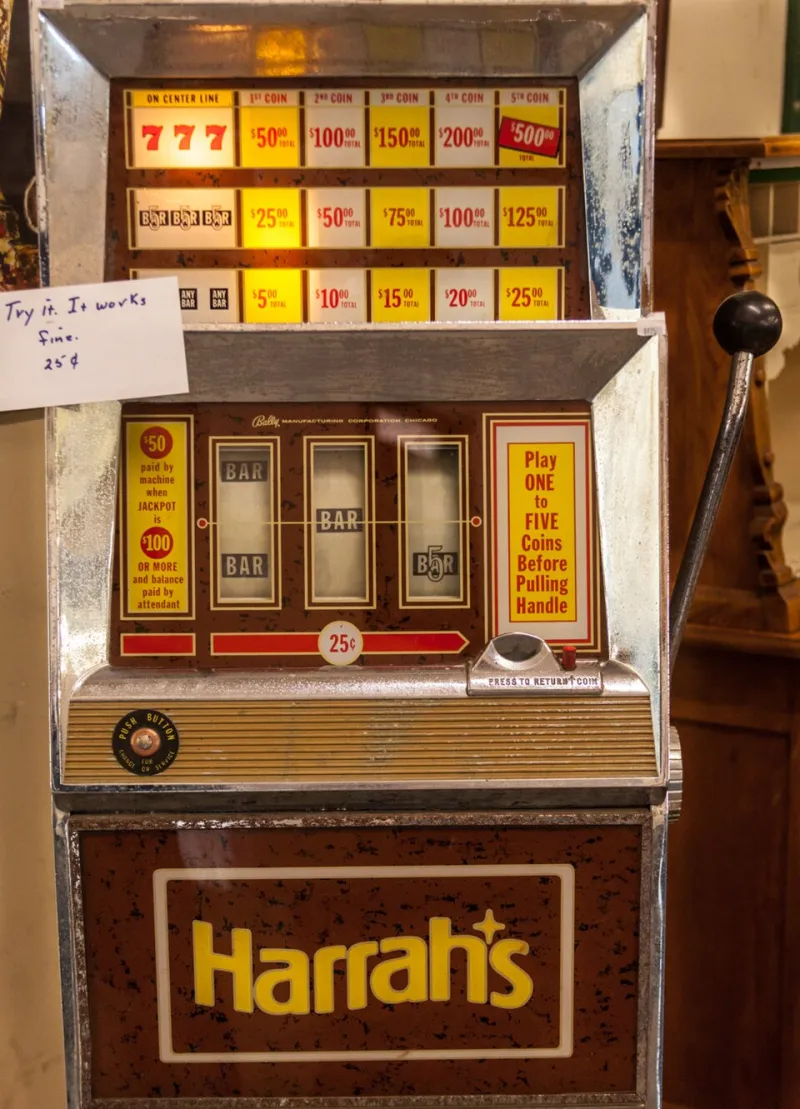
That moment when the reels stop one symbol short of a jackpot feels weirdly worse than a flat-out loss — and science has a pretty unsettling explanation for why. Near-misses don't just sting; they actually fire up your brain's reward circuitry in ways that real wins sometimes don't. Understanding what's happening under the hood might be the most useful thing you ever learn as a player.

Few symbols in American gambling carry as much weight as three sevens lined up in a row. From the neon-lit floors of Las Vegas to the app icons of today's biggest online platforms, 777 has become the universal language of winning — but how did a single number combination earn that kind of cultural real estate?
Hitting a massive payout feels incredible — but neuroscience says that rush might be the most dangerous moment of your entire gaming session. The 'house money effect' is real, it's well-documented, and it's quietly responsible for some of the biggest single-session losses in online gaming history. Here's what's actually happening inside your brain when you're riding high.
Every serious player has a ritual — a lucky charm, a specific chair, a song they play before a big session. But where does harmless habit end and costly delusion begin? We talked to professional bettors, behavioral economists, and everyday players to map out exactly which beliefs help, which hurt, and which ones are just really good stories.
That gut-punch moment when two jackpot symbols line up and the third just barely misses? It hits different than a regular loss — and neuroscience explains exactly why. Understanding the psychology behind near-misses can change how you approach every spin, bet, and play session.
Ever felt absolutely certain you were 'on a roll' — only to watch it all unravel in minutes? That gut feeling isn't luck talking. It's your brain playing tricks. Here's what neuroscience and behavioral psychology reveal about why streaks feel so real, even when the math says otherwise.
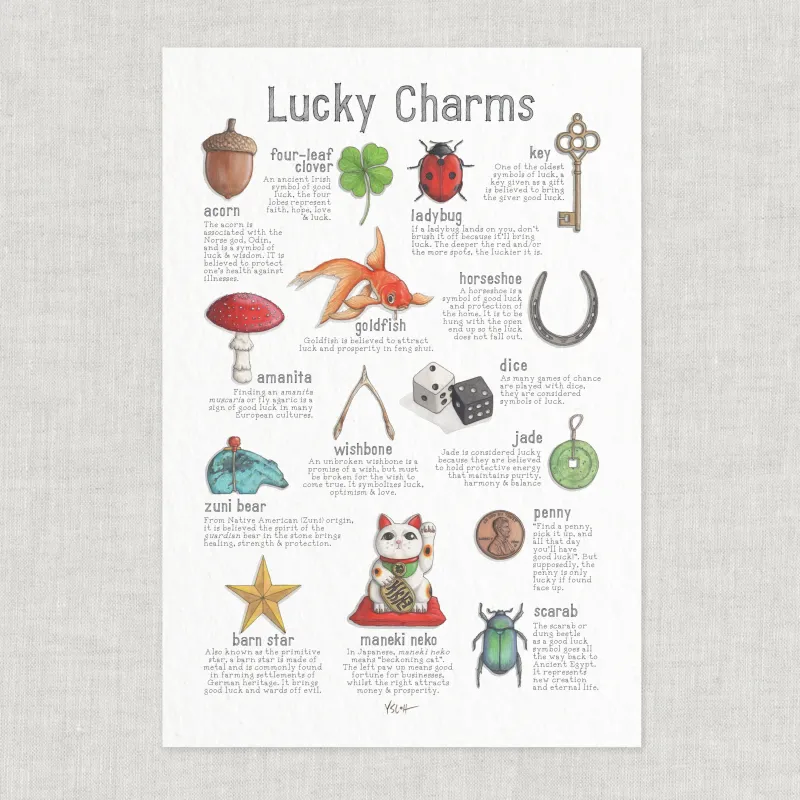
From birthday digits to ancient numerology traditions, Americans across every background have a number they swear by. But is there real psychology behind lucky numbers — or is it all in our heads? We dig into the fascinating science and cultural roots that make certain numbers feel almost magical.